
What Are Self-Ligating Braces and How Do They Work?
If you’ve been thinking about getting braces, you may have heard the term “self-ligating braces” thrown around and wondered what makes them different from traditional braces. Maybe a friend mentioned them, or you saw an ad promising faster treatment with less discomfort. But what exactly are self-ligating braces, and how do they actually work? Let’s break it down in a way that’s easy to understand.
The Basics: How Traditional Braces Work
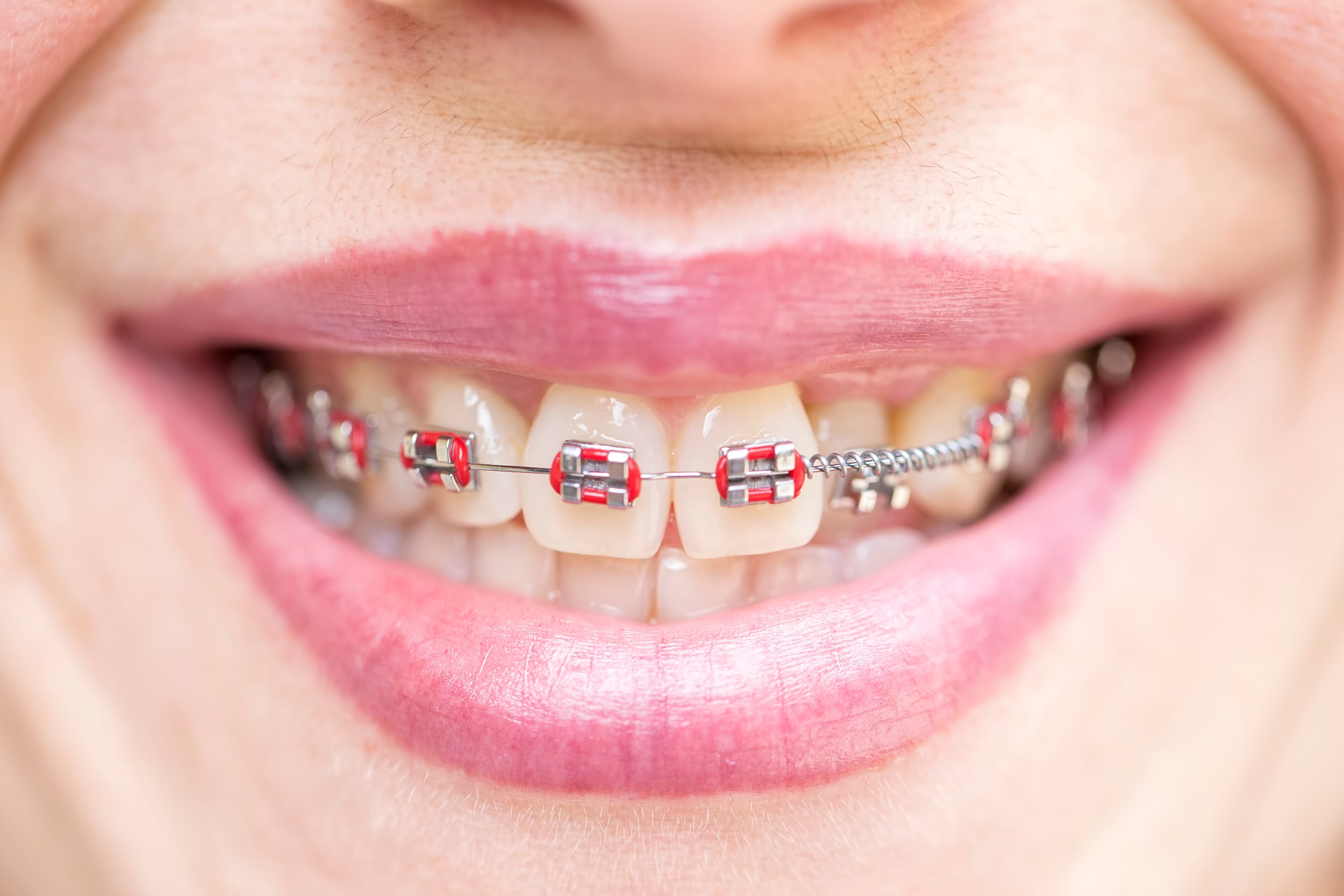
To appreciate self-ligating braces, it helps to know a bit about how traditional braces function. Regular braces use metal brackets attached to your teeth and wires that run through them to gradually move your teeth into the right position. The wire is held in place by small elastic bands, often called ligatures. These ligatures can come in a variety of colors, which is why you might see your teen with a rainbow of little bands on their braces.
These elastic bands are more than just decorative—they create friction, which helps the wire pull your teeth into alignment. But that friction also means your orthodontist has to adjust your braces more frequently, and some patients notice more discomfort when the wire is tightened.
Enter Self-Ligating Braces
Self-ligating braces take the same basic concept as traditional braces but remove the need for elastic bands. Instead of using ligatures to hold the wire in place, these braces have a special clip or sliding mechanism built into each bracket. This clip gently holds the wire and allows it to move more freely as your teeth shift.
Because the wire isn’t being tightly squeezed by ligatures, there’s less friction between the wire and the brackets. Less friction can mean a smoother, more efficient movement of teeth—and some patients report that it feels more comfortable than traditional braces.
The Types of Self-Ligating Braces
There are two main types of self-ligating braces: passive and active.
-
Passive self-ligating braces: These use a clip that doesn’t touch the wire very tightly. It allows the wire to slide freely, which can reduce friction even more. Passive systems are often used for lighter, more gradual tooth movements.
-
Active self-ligating braces: These have a clip that presses slightly against the wire, applying a little extra pressure to guide teeth more efficiently. Active systems are often chosen when more control is needed over specific tooth movements.
Both types work without the need for elastic bands, so your orthodontist can focus on adjusting the wire itself rather than changing out bands at every visit.
Benefits of Self-Ligating Braces
Self-ligating braces have been around for a while, and there are several reasons they’ve grown in popularity:
-
Fewer Office Visits: Because the wire slides more freely and doesn’t rely on elastic ligatures, your orthodontist may need to adjust your braces less frequently. This can be a huge convenience for busy teens and adults.
-
Comfort: Many patients report less pressure and soreness compared to traditional braces. That’s partly because the clip allows for smoother movement of the wire, reducing friction and tension.
-
Easier Cleaning: Without those small elastic bands, it can be easier to keep your teeth and braces clean. Less plaque buildup around the brackets means a lower risk of cavities during treatment.
-
A Sleeker Look: Some self-ligating braces use smaller brackets and low-profile designs, which can be less noticeable on your teeth. This can make them more appealing for adults who want a subtle option.
-
Potentially Shorter Treatment Time: Because the wire moves more efficiently, some patients experience slightly shorter treatment times compared to traditional braces. However, the actual duration depends on the complexity of your orthodontic needs.
Who Can Benefit From Self-Ligating Braces?
Self-ligating braces aren’t just for kids or teens—they’re suitable for adults, too. They can be used to treat a wide range of orthodontic issues, including crowding, spacing, overbites, underbites, and crooked teeth.
That said, not every case is the same. The choice between traditional braces, self-ligating braces, or clear aligners like Invisalign often comes down to your specific bite issues, lifestyle preferences, and the treatment plan your orthodontist recommends.
What to Expect During Treatment
Getting self-ligating braces is similar to getting traditional braces. The process usually starts with an initial consultation, where your orthodontist will examine your teeth, take X-rays, and discuss your treatment goals. From there, they’ll create a customized plan for how your teeth should move over time.
Once your braces are placed, you’ll have regular check-ins to adjust the wires and monitor progress. Even though visits may be less frequent than with traditional braces, these appointments are still important to make sure your teeth are moving as planned.
One of the most noticeable differences for patients is how the braces feel day-to-day. Many people find that self-ligating braces cause less irritation to the cheeks and lips, and they often report less soreness after adjustments. Still, it’s normal to experience some mild discomfort, especially when your teeth are moving into new positions.
Are There Any Drawbacks?
While self-ligating braces offer a lot of advantages, they aren’t perfect for every situation. Some drawbacks to consider include:
-
Cost: Self-ligating braces can be slightly more expensive than traditional braces. However, many patients find the comfort and convenience worth the investment.
-
Not Invisible: Even though they’re smaller and sleeker than traditional braces, self-ligating braces are still visible. If you’re looking for a completely clear option, clear aligners might be a better fit.
-
Case-Specific Limitations: Some very complex orthodontic cases might still require traditional braces or additional appliances to achieve the best results.
How to Care for Your Self-Ligating Braces
Taking care of self-ligating braces is pretty straightforward. Since there are no elastic bands to trap food, cleaning is a little easier than with traditional braces. Here are a few tips:
-
Brush thoroughly at least twice a day, making sure to clean around the brackets and along the gumline.
-
Floss daily using floss threaders or special orthodontic floss to reach between teeth.
-
Avoid very hard or sticky foods that can damage the brackets or wires.
-
Attend all scheduled appointments so your orthodontist can adjust your wires and monitor progress.
By sticking to a good oral hygiene routine, you’ll minimize the risk of cavities and make sure your treatment stays on track.
Self-Ligating Braces vs. Traditional Braces: The Takeaway
Self-ligating braces offer a modern alternative to traditional braces, with benefits like fewer office visits, improved comfort, and easier cleaning. They’re a versatile option for both teens and adults and can treat a wide range of orthodontic issues.
However, every smile is unique, and the best treatment for you depends on your specific needs. Consulting with an experienced orthodontist is the best way to determine whether self-ligating braces are the right choice for your smile.
Ready to Start Your Journey to a Straighter Smile?
If you’re curious about self-ligating braces or want to explore all your orthodontic options, Rose Rock Orthodontics in Enid, OK is here to help. From teens to adults, our team provides personalized treatment plans to ensure you achieve the best results comfortably and efficiently. Schedule a consultation today and see how our advanced orthodontic care can transform your smile.